Bring the functions together
Connect the people responsible for different parts of the event, so that information can be understood and acted on across organisational boundaries.
Case study / Southall Nagar Kirtan · 29 March 2026
Event control leadership for a major Sikh community procession through Southall, bringing agencies, live information and operational decisions into one shared picture.
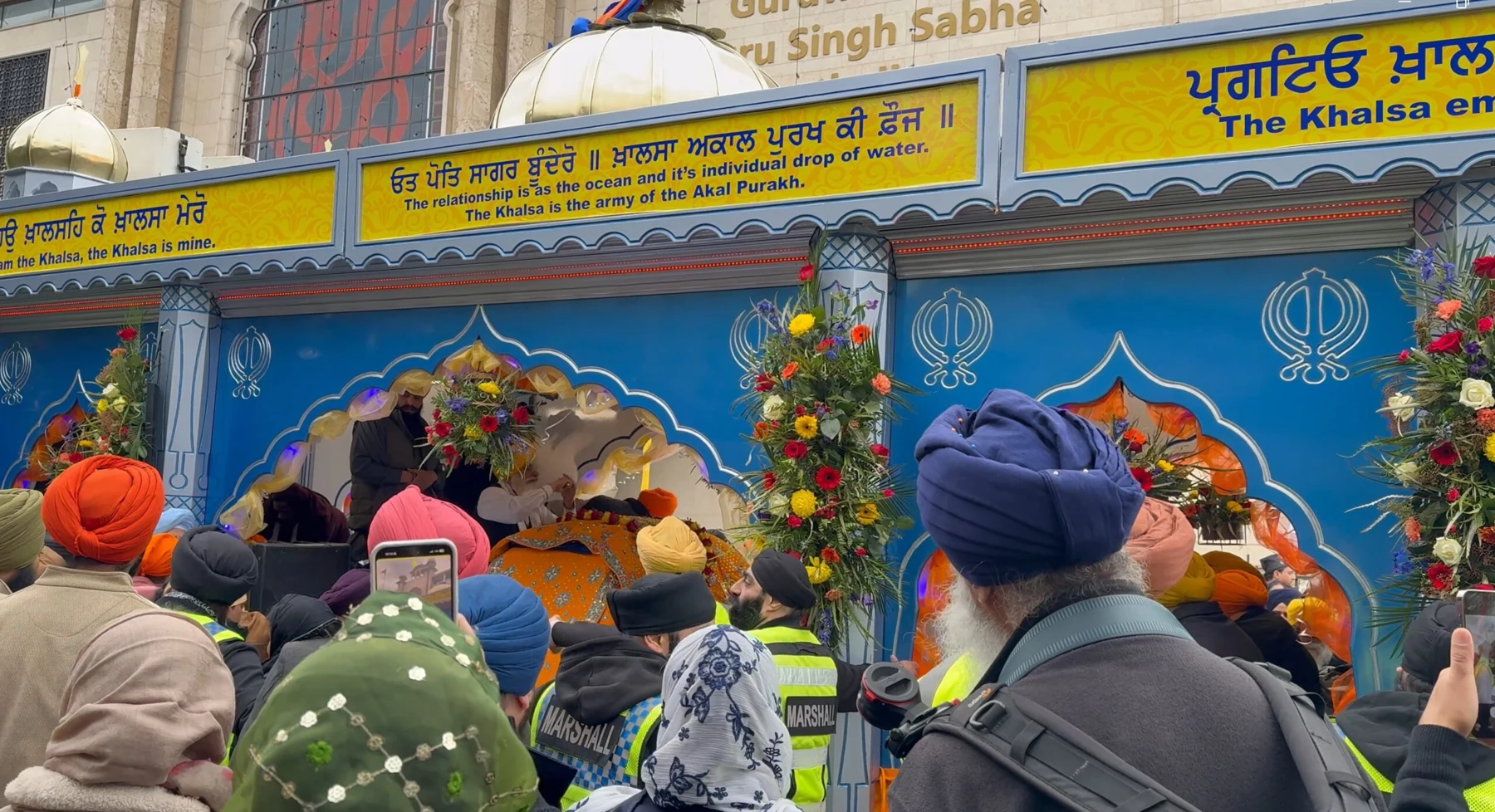
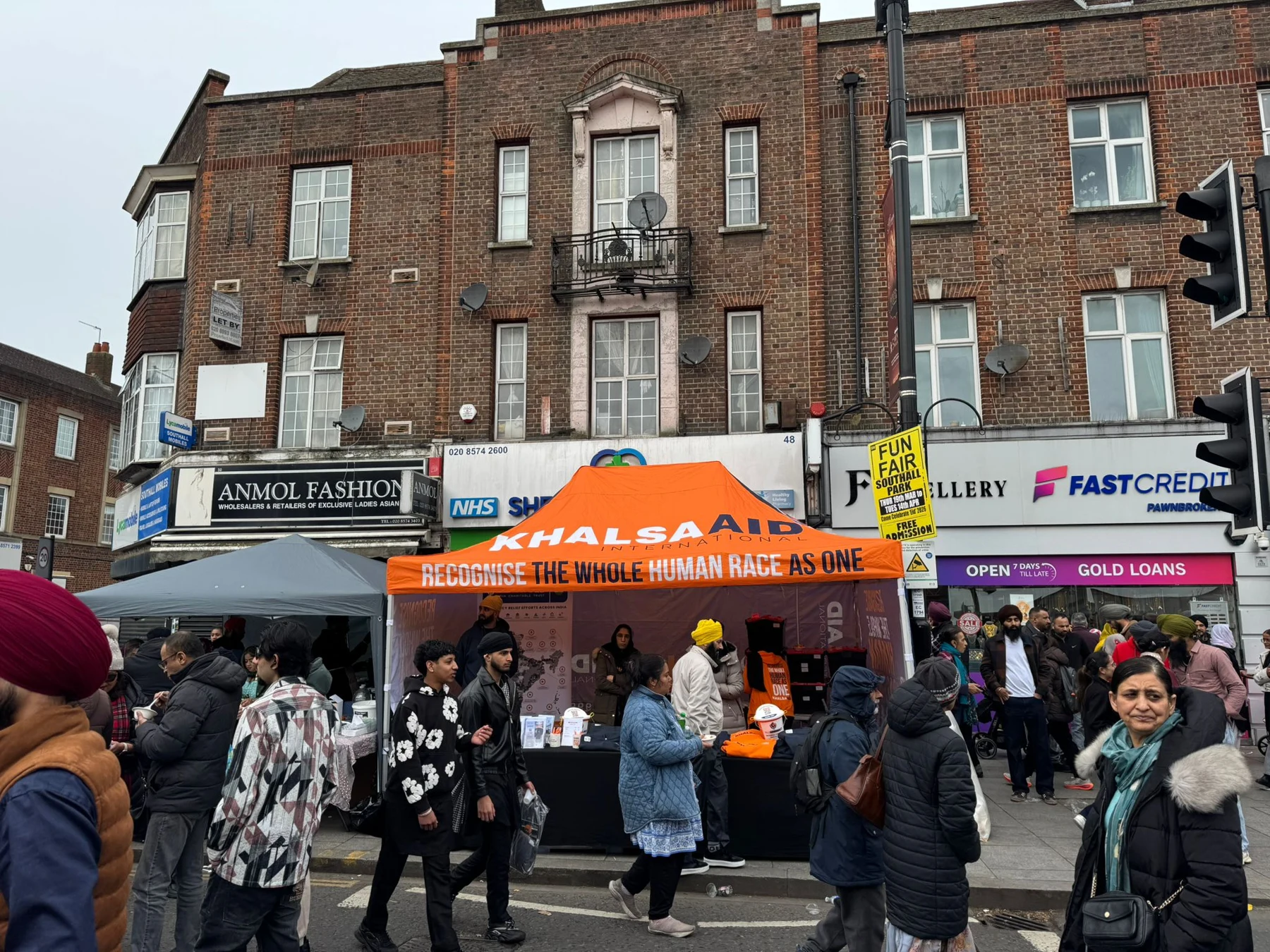
Southall’s Vaisakhi Nagar Kirtan brings a large community procession into the streets of west London. With an attendance of 80,000, the operation extended across the route, the surrounding streets and several different event and agency functions.
The procession’s movement continually changed the operational picture. Security, traffic management, medical provision, public agencies and the event team needed information that reflected what was happening now, with an understanding of how their decisions affected one another.
My role within event control was to help keep that picture coherent and maintain practical direction across the live operation.
Connect the people responsible for different parts of the event, so that information can be understood and acted on across organisational boundaries.
Reconcile incoming reports with the evidence available. Establish whether information describes a current situation, an earlier issue or something that still needs checking.
Help the relevant teams understand what needs attention, what action is being taken and what requires a wider event or agency decision.
A control room needs people who know where they are working, how they will communicate and what is expected of them. Joining information, access to the necessary systems and a shared briefing provide the basis for useful live coordination.
The control-room team was in place and operational at the start of the event. During delivery, I helped maintain a structured environment in which event personnel and agency representatives could exchange information, raise concerns and coordinate their contribution.
The job was to connect the wider operation while enabling each specialist function to retain its own responsibilities.
A report arriving in control can influence several teams at once. Its location, timing and current status matter. Without that understanding, people can be responding to different versions of the same situation.
Part of my work was checking and reconciling reports against the available evidence, drawing on the people on the ground and the information available within the control function.
That approach helped maintain situational awareness across the procession route. It also supported a more useful basis for decisions than passing unverified information from one function to the next.
The incident-management system provided a structured record of incoming reports, actions and updates. It gave the room a common reference as different functions worked through the demands of the day.
My contribution brought together leadership within event control, communication and the practical use of that information. Security, traffic and medical teams worked alongside public agencies, with their input feeding the wider event picture.
Strong working relationships in the room were an important part of delivery. Clear exchanges, reliable reporting and a willingness to resolve issues together helped the control function maintain oversight.
The final phases need the same connection to reality as the beginning. Procession movement, the position of people and vehicles, road arrangements and the withdrawal of resources all have to be understood together.
I worked to keep operational continuity aligned with the live event through those closing phases, raising issues through the relevant channels and maintaining coordination where it was needed.
That is a practical expression of the contribution I bring: understand what is happening, recognise where responsibility needs to be exercised and help teams keep the operation connected.
At this scale, a control room needs judgement as well as information.
My work combined live coordination, verification of reports, structured incident information and a practical focus on continuity. The result was a functioning multi-agency control environment supporting delivery across a complex moving event.
That experience is directly relevant to organisers who need their plans, people and decisions to work together across an operation that will keep changing.
Explore command and tactical leadership →← Back to selected workDiscuss your operation
Send the event outline, the existing arrangements and the contribution you need.